
Insights Library
2025 Victorian Transmission Plan: an overview


The Victorian Government’s 2025 Victorian Transmission Plan (VTP) is a comprehensive 15-year roadmap to upgrade the state’s electricity grid as it transitions from coal to renewable energy. Released on 17 August 2025, the VTP is the first of its kind plan, setting out new Renewable Energy Zones (REZs) and transmission projects needed to meet Victoria’s energy needs as aging coal stations are decommissioned. Developed by VicGrid (the Victorian transmission planning body under the Department of Energy, Environment and Climate Action, DEECA), the plan intends to represent a new approach to grid planning, one that integrates community input, environmental considerations, and industry needs from the outset.
For renewable energy developers in Victoria’s solar, wind, and energy storage sectors, the VTP brings both new opportunities and new regulatory considerations. Below, we break down the key updates and commitments in the 2025 VTP and what they mean for project grid connection in Victoria, land access for transmission lines, and planning approvals for renewable projects in Victoria.
Overview of the 2025 Victorian Transmission Plan
VicGrid’s 2025 VTP is intended to provide a strategic long-term plan to ensure Victoria’s grid can reliably absorb large volumes of new renewable generation as aging coal plants are decommissioned. The plan coordinates generation and transmission development through to 2040, aiming to give industry the certainty needed to invest while minimising impacts on communities and landholders. The 2025 VTP takes a 15-year view of Victoria’s transmission and renewable energy generation needs. The second plan will be published in 2027 and will take a 25-year view, as will subsequent plans published every 4 years.
Key highlights of the VTP include:
- New Renewable Energy Zones – The VTP identifies six onshore REZs across Victoria (Central Highlands, Central North, Gippsland, North-West, South-West, and Western/Grampians regions) as the optimal areas to host new wind farms, solar parks, and batteries. It also designates a Gippsland Shoreline REZ as a coastal zone for locating transmission cables to connect planned offshore wind farms to the grid. These zones cover the areas with strong wind/solar resources and existing grid capacity, balanced against environmental, agricultural, and community factors.The draft plan initially proposed seven REZs, but VicGrid refined and merged some areas into six final zones after consultation. The onshore REZs cover roughly 8% of the state. Less than 1% of Victoria’s land is expected to host new infrastructure, focusing development in areas where renewable projects can coexist with agriculture.
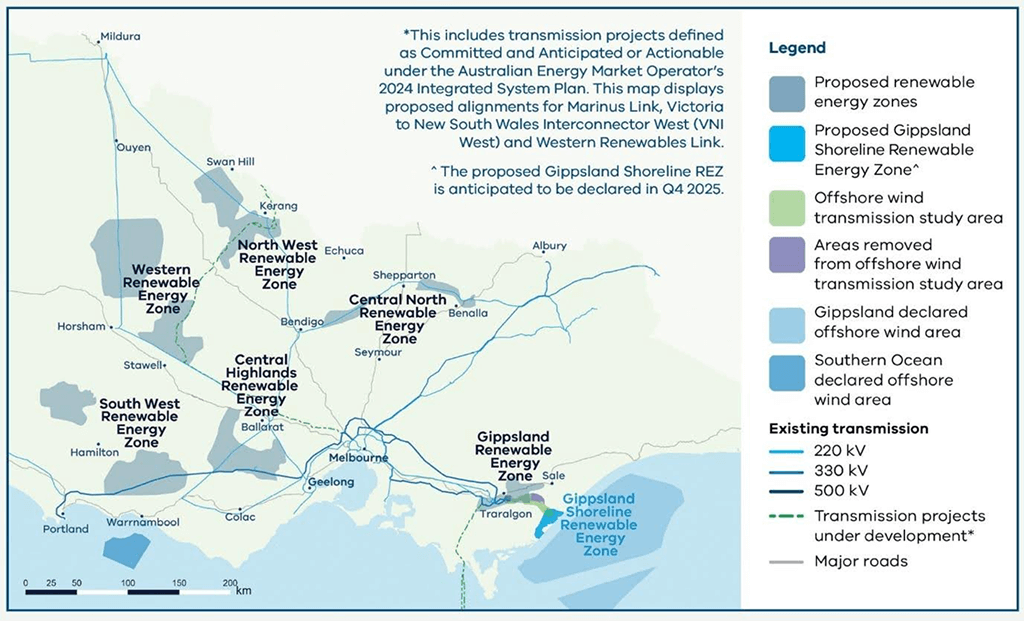
Figure 1: Proposed Renewable Energy Zones
- Generation and storage targets – The VTP projects a significant expansion of clean energy capacity by 2040, including approximately 5.7–9.6 GW of new onshore wind, 9 GW of offshore wind, 2.3–8.9 GW of large-scale solar, and 4.8–7.7 GW of battery storage. These figures include projects already committed or under construction, plus future developments needed to hit Victoria’s ambitious renewable energy targets (65% by 2030, 95% by 2035). The heavy emphasis on offshore wind (9 GW) reflects the state’s view that offshore projects will be key to achieving the transition as onshore REZs have finite capacity.
- Transmission Network upgrades – To deliver this new energy to consumers, the VTP outlines seven priority transmission upgrade programs needed between now and 2040. This includes reinforcing existing lines and building at least four new high-voltage transmission projects to connect the REZs. Notably, major upgrades in western Victoria (to support wind and solar from the Grampians and South-West REZs by approximately 2028) and eastern Victoria (to strengthen supply from the Gippsland REZ and metropolitan Melbourne demand by 2028–29) are scheduled. A new South-West 500 kV line is proposed by 2033 to unlock wind in that region, and an expanded “loop” transmission system in Gippsland will be required in the 2030s to connect successive offshore wind projects. These projects, alongside already announced transmission links like VNI West (Victoria NSW Interconnector West) and the Western Renewables Link, are considered essential to meet Victoria’s renewable targets and replace retiring coal capacity.
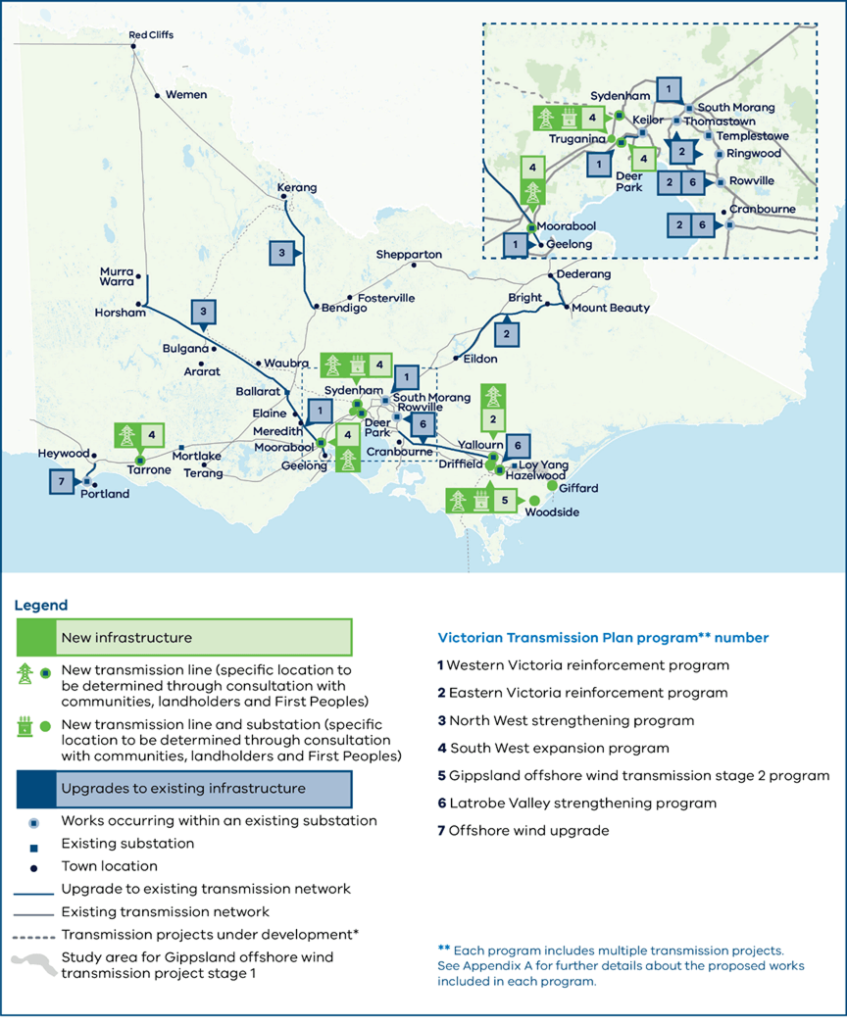
Figure 2: VTP Priority Transmission programs
- New Grid Connection Framework: Importantly for developers, the VTP introduces a more coordinated grid connection regime based on the REZs. VicGrid will cap the total generation that can connect in each REZ, based on what the planned network upgrades can support and allocate connection rights to projects within the zones. This REZ access scheme departs from the traditional open access system. It reserves grid capacity for projects inside the REZs, preventing the uncoordinated approach that often led to network congestion and curtailment. VicGrid has indicated it will run competitive processes to select which proposed wind, solar, or storage projects gain the right to connect in each REZ, considering factors like project readiness and the quality of community engagement. Once a REZ is declared, VicGrid will publish a draft REZ access scheme for consultation. This framework will set out: access limits, REZ scheme fees, access conditions and the access allocation process. The framework is intended to give developers more certainty (‘bankable’ grid access) within declared zones, while limiting speculative projects that could overload the grid.Once the Victorian Minister for Energy formally declares the new REZs (a process set to commence shortly, including 6 weeks of consultation), projects inside a REZ will be granted a form of preferred network access. In practice, this means generators sited within a declared REZ should face reduced curtailment risk and enjoy priority in dispatch over speculative projects outside the zones. The plan gives investors more certainty that connecting in a REZ comes with grid access rights aligned to available network capacity.Any large renewable project outside the final REZ boundaries will be subject to a Grid Impact Assessment before connection approval. The developer must demonstrate that the project will not negatively impact generators inside the REZ, for example, by consuming so much grid capacity that it would curtail the output of REZ projects. Projects failing to meet these standards could be delayed or barred from connecting. This requirement effectively channels new development into the designated zones or ensures that any out of zone proposals are truly benign and necessary. In effect, the government is strongly signalling developers to align with the REZs map for new generation, or risk being sidelined by grid constraints. This makes site selection and due diligence even more critical: opting to build within a REZ (or at least not in a weak part of the network) will improve the likelihood of timely connection.
Environmental and planning approvals
One question many project proponents have is whether the 2025 VTP further streamlines planning and environment approval processes for renewable projects or transmission infrastructure. The plan itself does not amend the existing statutory environment assessment and planning approval framework. All proposed generation and transmission projects, whether inside a REZ or not, must still go through the existing State and Federal approval processes
However, the VTP is supported by recent Victorian planning reforms aimed at streamlining planning permit approvals for renewable energy and grid projects. Notably, in April 2023 the Victorian Government introduced Planning Scheme Amendment VC261, which expanded the state’s Development Facilitation Program (DFP) to cover large renewable energy facilities and transmission lines. Under Clause 53.22 of the Victoria Planning Provisions, new renewable energy facilities, utility installations including (where the installed capacity is greater than 1 MW) can be treated as projects of ‘significant economic development’. This means a planning permit application can be fast-tracked through lodgement with a dedicated DFP, notice may be given but no review rights exist, the Minister can then determine the application. This streamlined pathway can shorten approval timeframes to as little as four months. It has already been used to fast-track a number of Victorian renewable projects, and it is expected to assist in delivering the new REZ infrastructure identified in the VTP.
Importantly, the new REZs are not formal land use zones under the Victoria Planning Provisions, nor are they yet referenced in the Planning Policy Framework. This means that at present, responsible authorities cannot simply approve a project on the basis that it’s ‘in a REZ’ without the usual scrutiny. Each project will be assessed on its merits through the standard statutory processes. Developers should not assume VTP endorsement replaces the need for detailed studies and approval.
Developers should also be aware that environmental assessment requirements still apply. Large-scale wind, solar, and especially transmission line projects may trigger an Environment Effects Statement (EES) process under Victoria’s Environment Effects Act 1978 (Vic). The VTP doesn’t remove the need for an EES where applicable.
The recent Victorian Economic Growth Statement (2024) proposed the speeding up of the EES assessment and review process with a target of no more than 18 months. The Statement sets out Government’s intention to impose stricter timeframes on the scoping, exhibition and assessment stages, introducing clearer decision-making criteria, and expanding the ability of the Minister for Planning to ‘tailor’ assessment requirements based on project risk. We are keen to see this play out in practice including how this streamlined process will be coordinated with the ‘significant economic development’ planning permit pathway.
It’s also worth noting that commonwealth environmental approvals under the Environment Protection and Biodiversity Conservation Act 1999 (Cth) may be needed if the project could significantly impact matters of national environmental significance.
Land access and transmission corridor rights
Building new transmission lines to connect REZs will inevitably require access to private and public lands for surveys, construction and maintenance. Land access rights, and the process of corridor acquisition have been a contentious issue in Victoria and the VTP has been released alongside new policy measures to address this. The Victorian Government has proposed statutory changes to land access laws to facilitate the efficient delivery of transmission projects, while attempting to balance the rights of landholders.
Under existing law, licensed transmission companies already have powers (under section 93 of the Electricity Industry Act 2000 (Vic)) to enter private land to survey or install transmission infrastructure needed for the network. These powers are subject to important safeguards: companies must first make genuine attempts to negotiate a voluntary access agreement with the landholder and comply with the Land Access Code of Practice (administered by the Essential Services Commission). The Code of Practice requires efforts to minimise impacts (e.g. manage biosecurity, schedule works by agreement) and to seek voluntary permission wherever possible. Only if a landholder blocks all reasonable access can the company escalate the matter, and currently that means seeking an order from the Supreme Court of Victoria to compel access. This process is time-consuming and has generated frustration for both landholders and transmission companies.
In an effort to streamline this process, the Victorian government introduced a new VicGrid land access reform bill in mid 2025. This legislation (officially the National Electricity (Victoria) Amendment (VicGrid Stage 2) Bill) is designed to “bring arrangements for transmission in line with” other major infrastructure like roads and water projects. If passed, it would create a stepped process for transmission companies to gain access through the following approaches:
- Continue seeking voluntary agreements with flexibility to pay agreed “participation fees” or other benefits to landholders for access. Voluntary deals remain the preferred approach, and often modest payments or concessions can persuade owners to grant entry for surveys or towers on their land.
- Use existing statutory entry rights such as the rights under section 93 of the Electricity Industry Act 2000 (Vic) (with notice and observance of the Code of Practice) if no voluntary deal is reached. This maintains the current lawful pathway but, as noted, it has limits if an owner actively obstructs entry.
- New ‘Authorised Officer’ powers as a last resort. This would occur through new legislation which proposes that VicGrid (or the transmission company) can appoint Authorised Officers who, with proper notice and procedural safeguards, can enter land without consent to carry out necessary works. These officers would have the legal ability to use reasonable force to gain entry if required, and landholders who “obstruct, hinder or delay” an authorised officer could face penalties. The bill sets fines up to approximately $12,000 for individuals who unlawfully block access, aiming to deter extreme interference.
Under the VicGrid Amendment Act 2024, the VicGrid CEO is empowered to compensate landholders who host new transmission infrastructure through annual payments. Victorian landowners will be eligible for around $8,000 per kilometre of transmission line on their property each year, for 25 years. This is similar to schemes in New South Wales and Queensland, and is meant to share the benefits of new transmission with those directly impacted (beyond the one-time easement compensation). The first projects to trigger these payments will likely be VNI West and the Western Renewables Link, but all new corridors identified in the VTP would fall under this regime.
For developers, these land access developments mean a few things in practice:
- Due diligence on land acquisition – When planning a project that will need new transmission build out (e.g. a generator tie line or a spur from a REZ terminal), anticipate the landholder engagement challenges. It is wise to start community consultation early, offer fair compensation or benefits to landowners, and document all efforts to negotiate in good faith. This not only improves goodwill but is increasingly mandated by law. Failing to engage properly could delay your project or jeopardise your grid access allocation.
- Expect formal acquisition for corridors – Ultimately, major transmission corridors will likely be acquired via compulsory acquisition or government easements if voluntary deals cannot be reached. This will invoke the Land Acquisition and Compensation Act 1986 (Vic) processes. Affected owners are entitled to independent valuations, compensation for land/easement rights, business losses, etc. Best Hooper has deep experience in this area and can assist in ensuring fair outcomes. Developers should factor in realistic timelines for land acquisition.
- Plan for new land access laws – The exact legislative changes to land access are currently still before Parliament. It’s important to stay updated on when these amendments pass and commence. The new authorised officer scheme will have regulations and guidelines. Developers should understand the protocol (e.g. required notices to landowners, any appeal or review mechanisms). The Best Hooper team can help interpret these new provisions once enacted and ensure compliance when you or your contractors invoke land access rights.
Conclusion
The 2025 Victorian Transmission Plan will reshape where and how renewable projects are built in Victoria. Developers who act early will have the greatest advantage. At Best Hooper, we don’t just interpret the law, we help our clients position themselves strategically to secure approvals, grid access and land arrangements ahead of competitors.
Our lawyers are recognised leaders in planning, environment and compulsory acquisition law. We have acted for some of Victoria’s largest developers and understand the commercial realities driving projects of this scale. Whether it’s unlocking a site within a REZ, navigating the new grid access scheme, or ensuring you get fair outcomes in land access negotiations, our team is equipped to deliver results.
If you are developing wind, solar, battery or transmission infrastructure in Victoria, now is the time to align your project with the VTP. Speak with Best Hooper today to ensure your project is approval-ready, compliant, and positioned for success in Victoria’s clean energy transition.



Get in Touch
Fill in the details to help us answer your query and booking enquiries promptly.